Discoveries
DiscoVereto. Dawn and Dusk of the Capo di Leuca
The first excavation campaign of the University of Naples L'Orientale at the site of Vereto, in Patù, in the province of Lecce, carried out within the Storie Meridiane project, has come to an end. The first results confirm the great scientific potential of Vereto — a solid basis for the coming research campaigns.
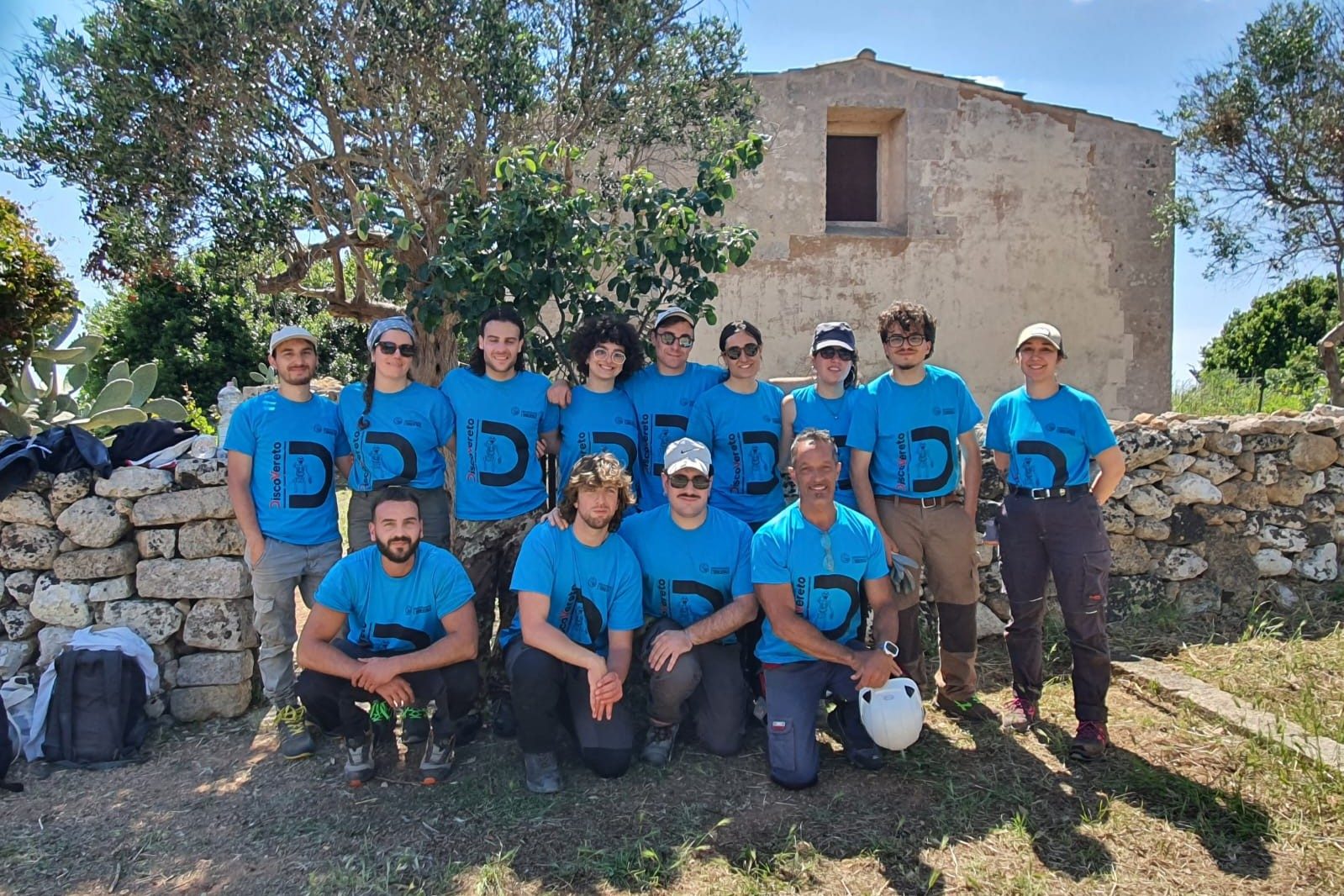
From 18 May to 19 June 2026 the first systematic excavation campaign of DiscoVereto took place at Vereto, promoted by the University of Naples L'Orientale under the scientific direction of Valentino Nizzo.
The research was carried out under a concession from the Italian Ministry of Culture, under the supervision of the Soprintendenza ABAP for Brindisi, Lecce and Taranto, in collaboration with the Municipalities of Patù and Morciano di Leuca and with cultural institutions and organisations of the area.
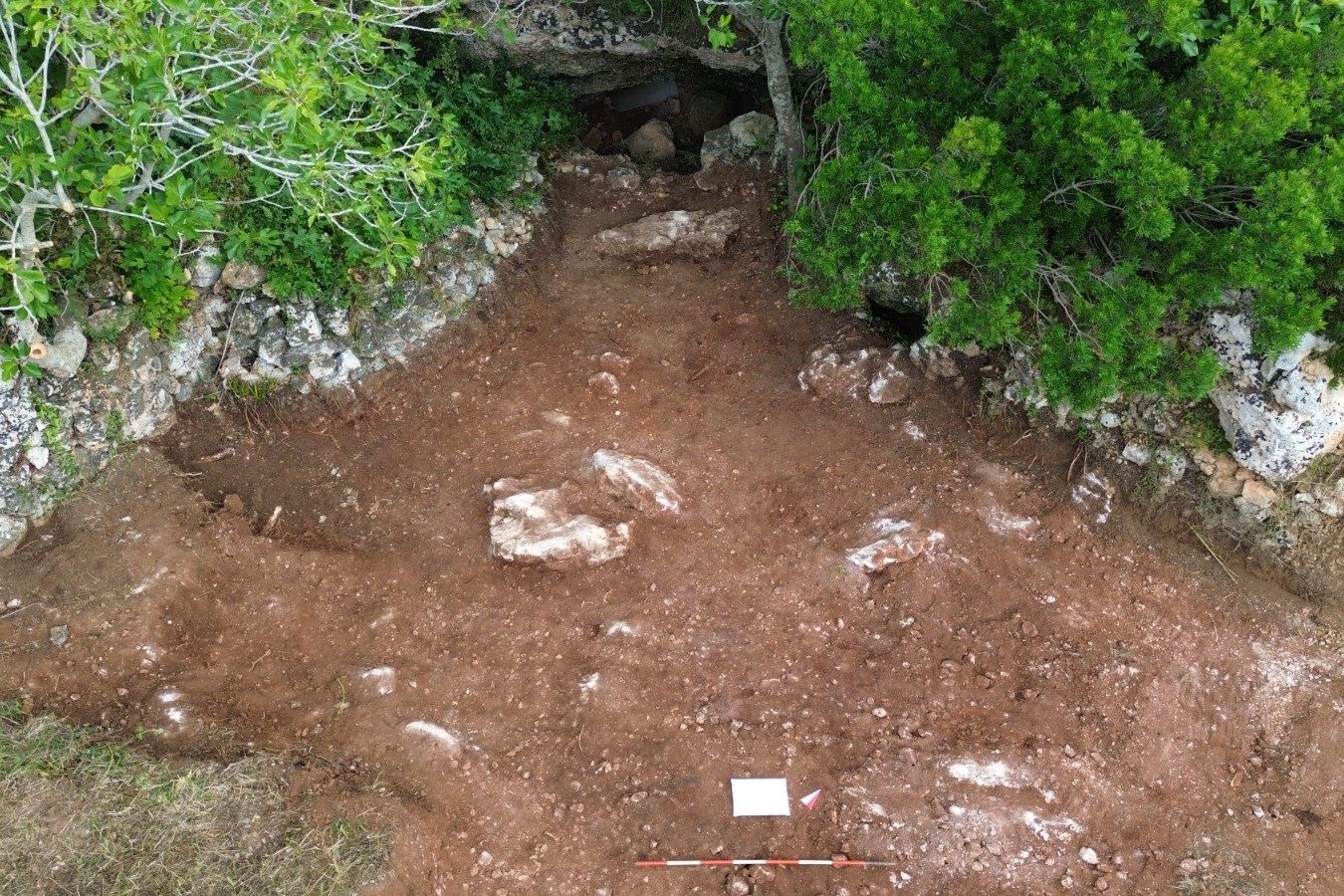
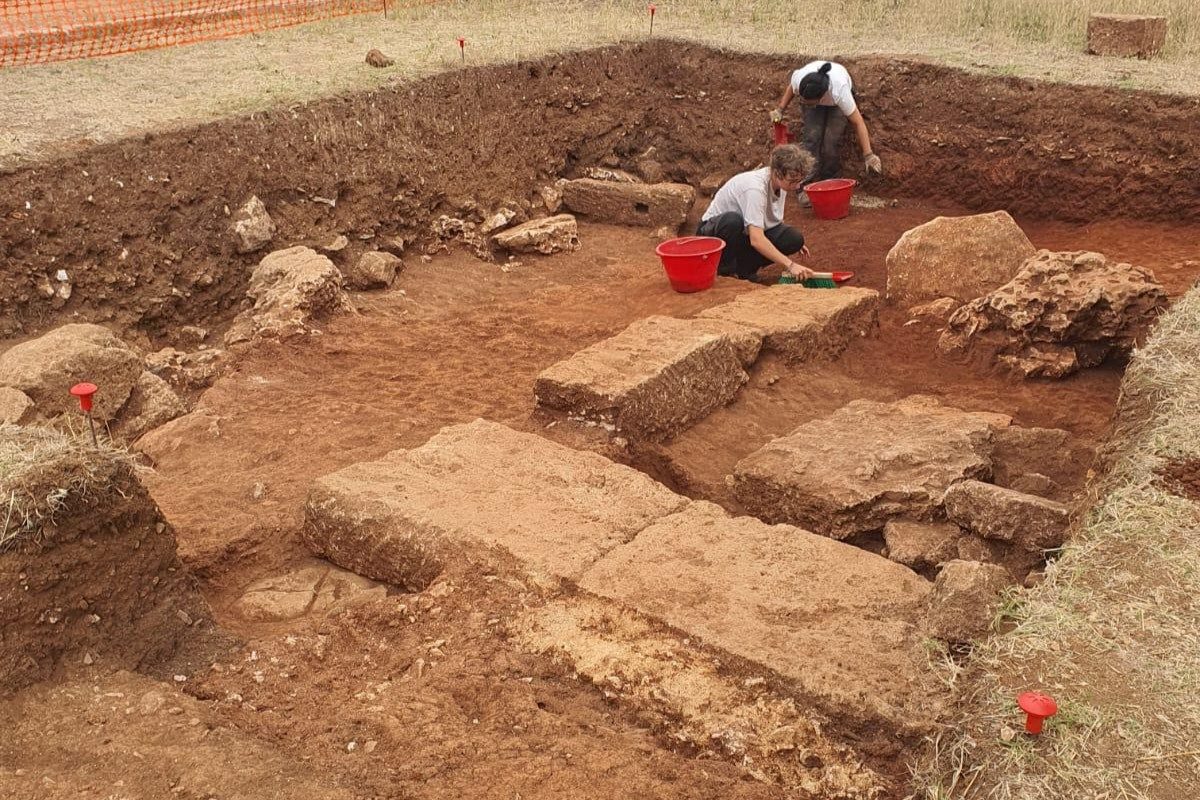
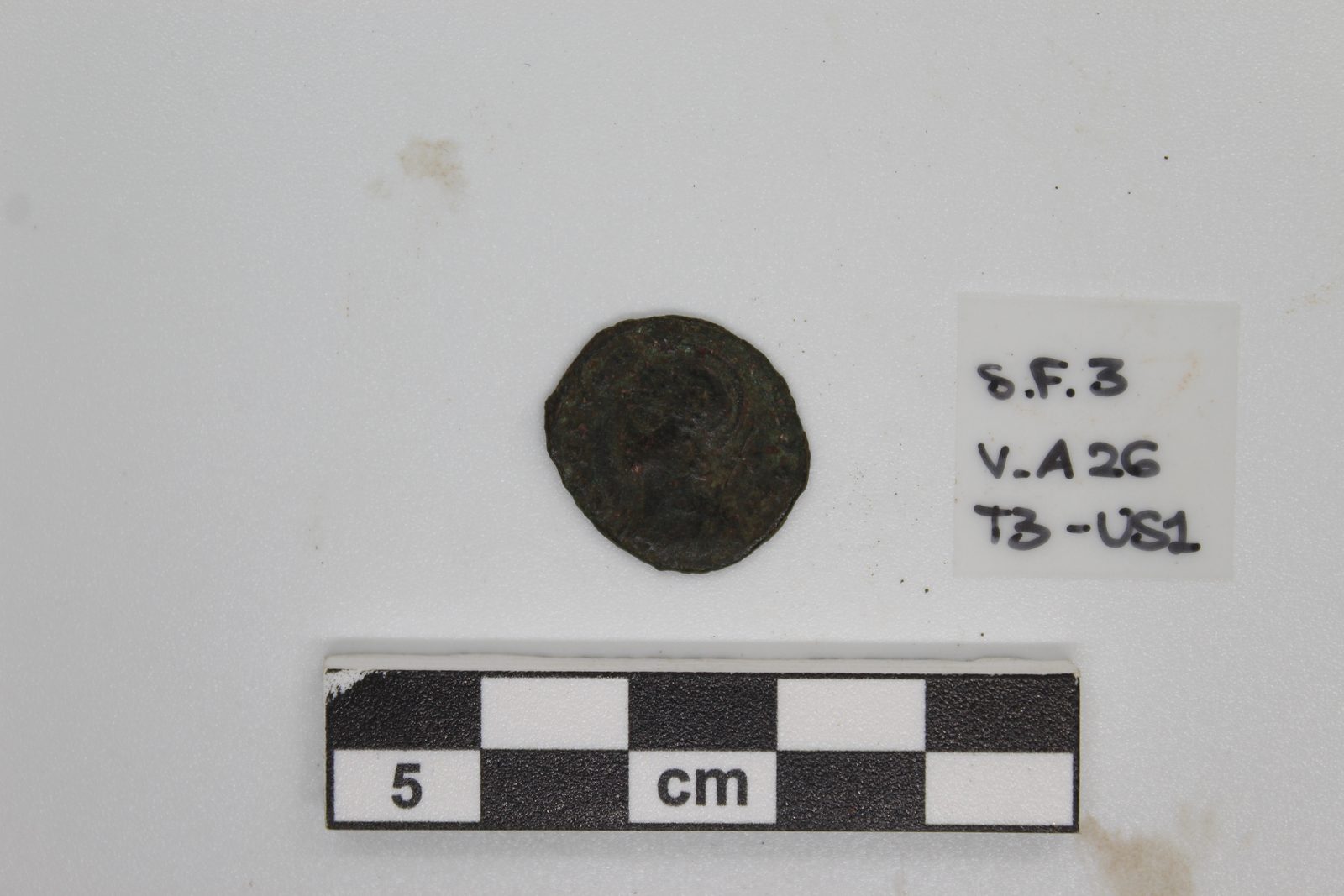
The first stage of Leucantica and one of the activities of the PNRR project Storie Meridiane, the campaign opened two trenches in the summit area of Vereto. Structures and finds document phases from the Early Iron Age to the Messapian, Roman and Late Antique periods and provide new data on the organisation and transformations of the settlement.
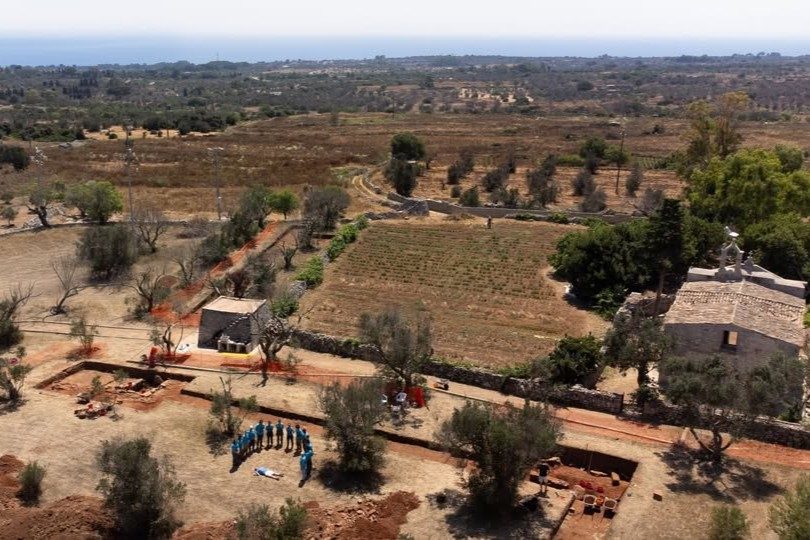
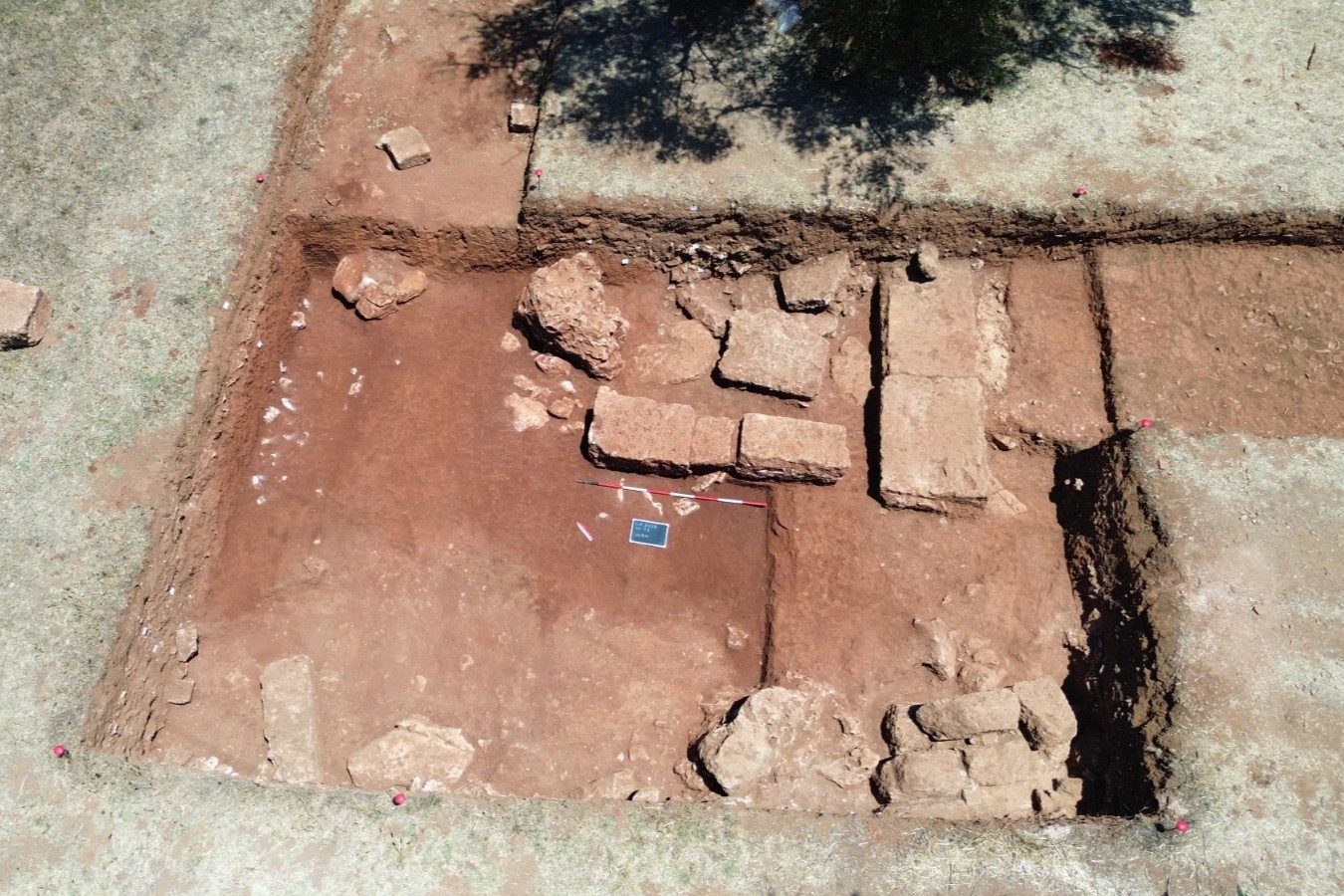
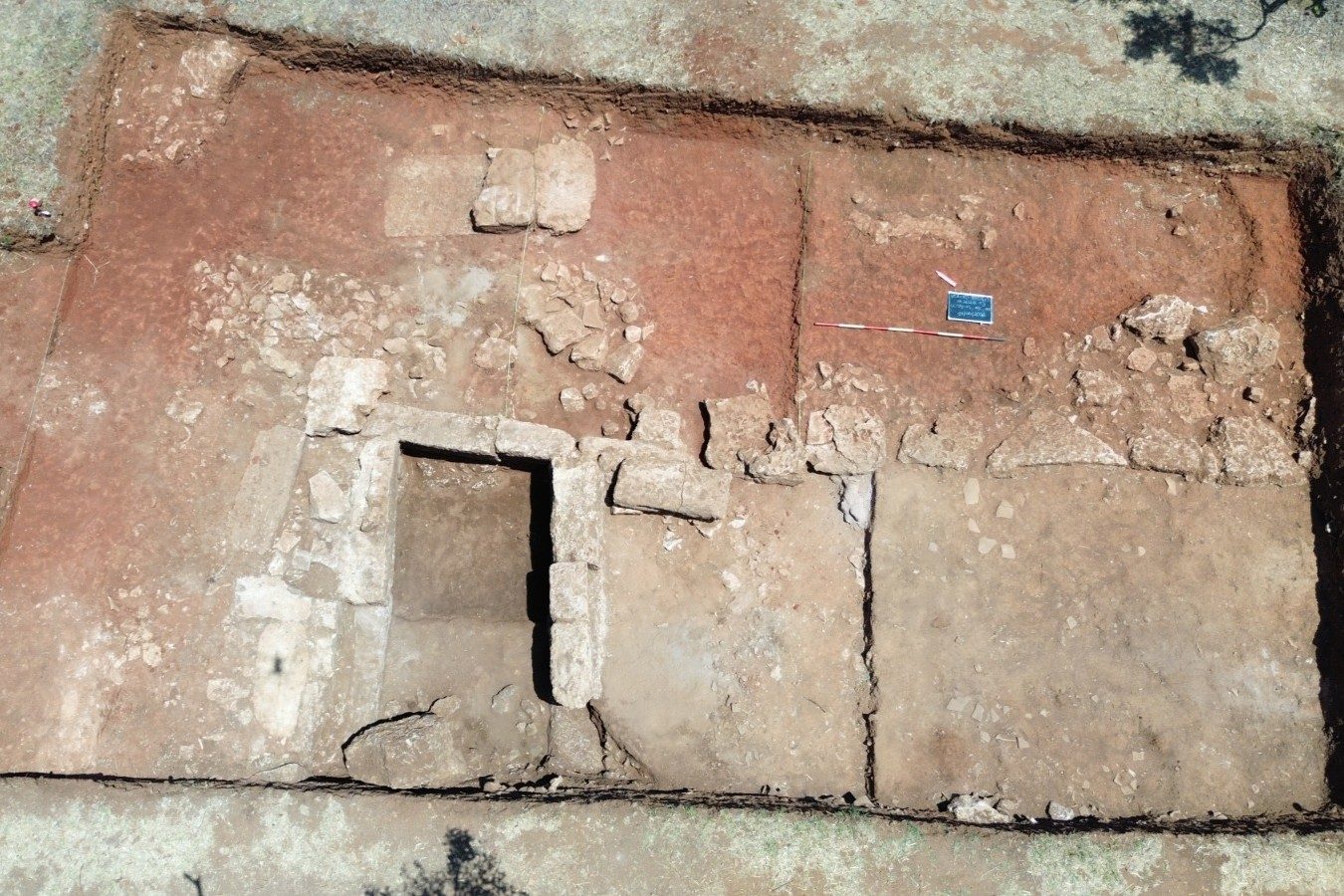
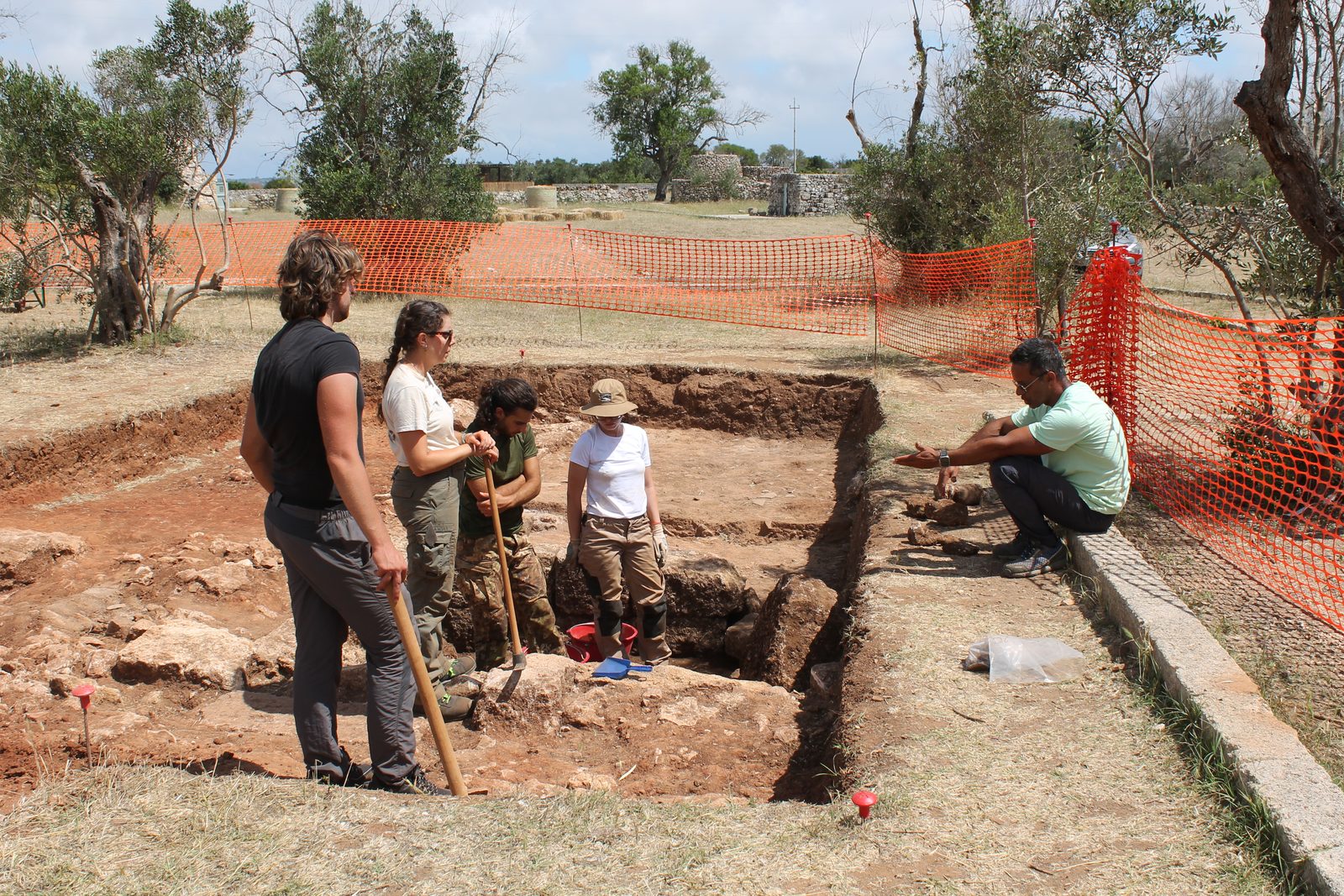
The southern trench
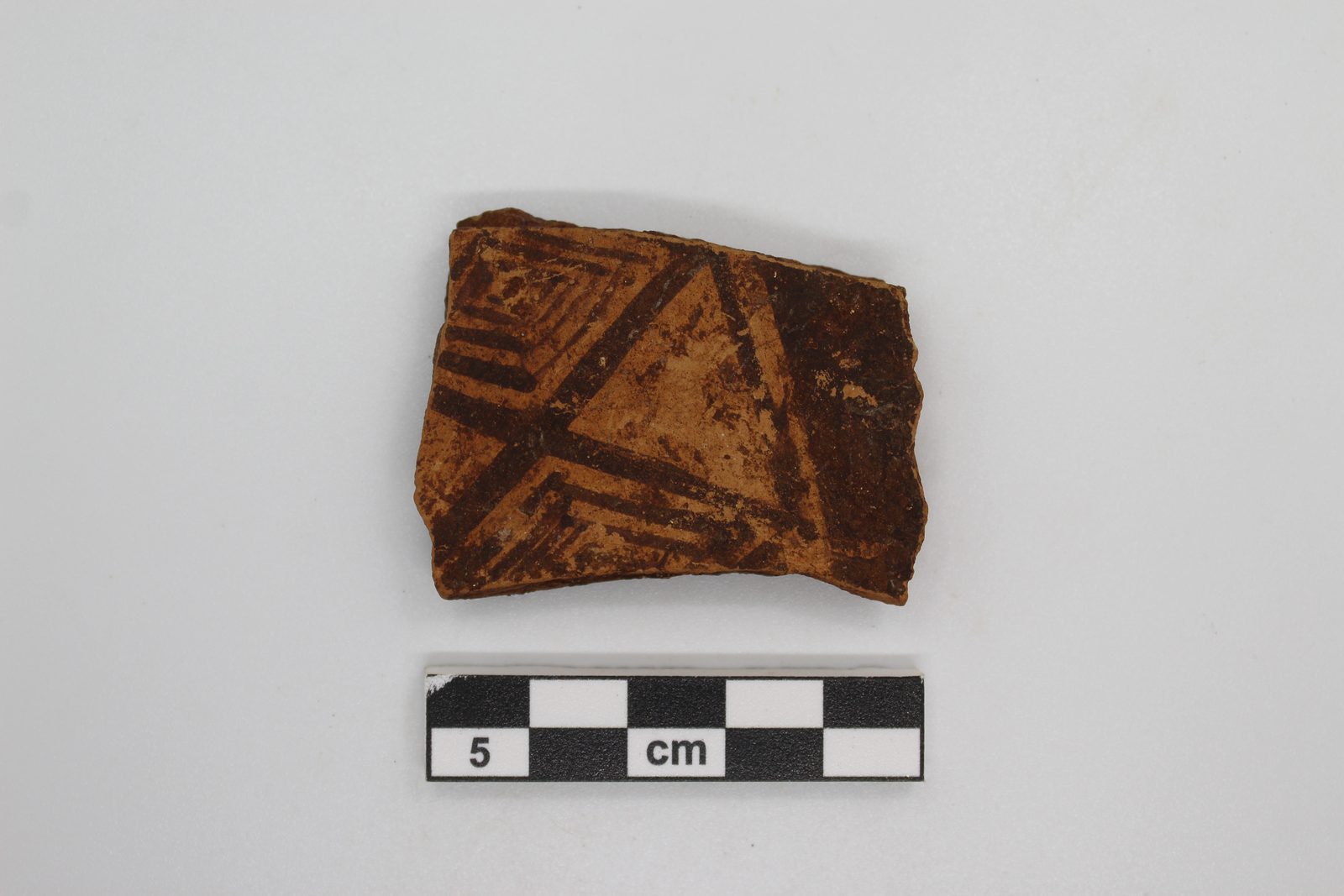
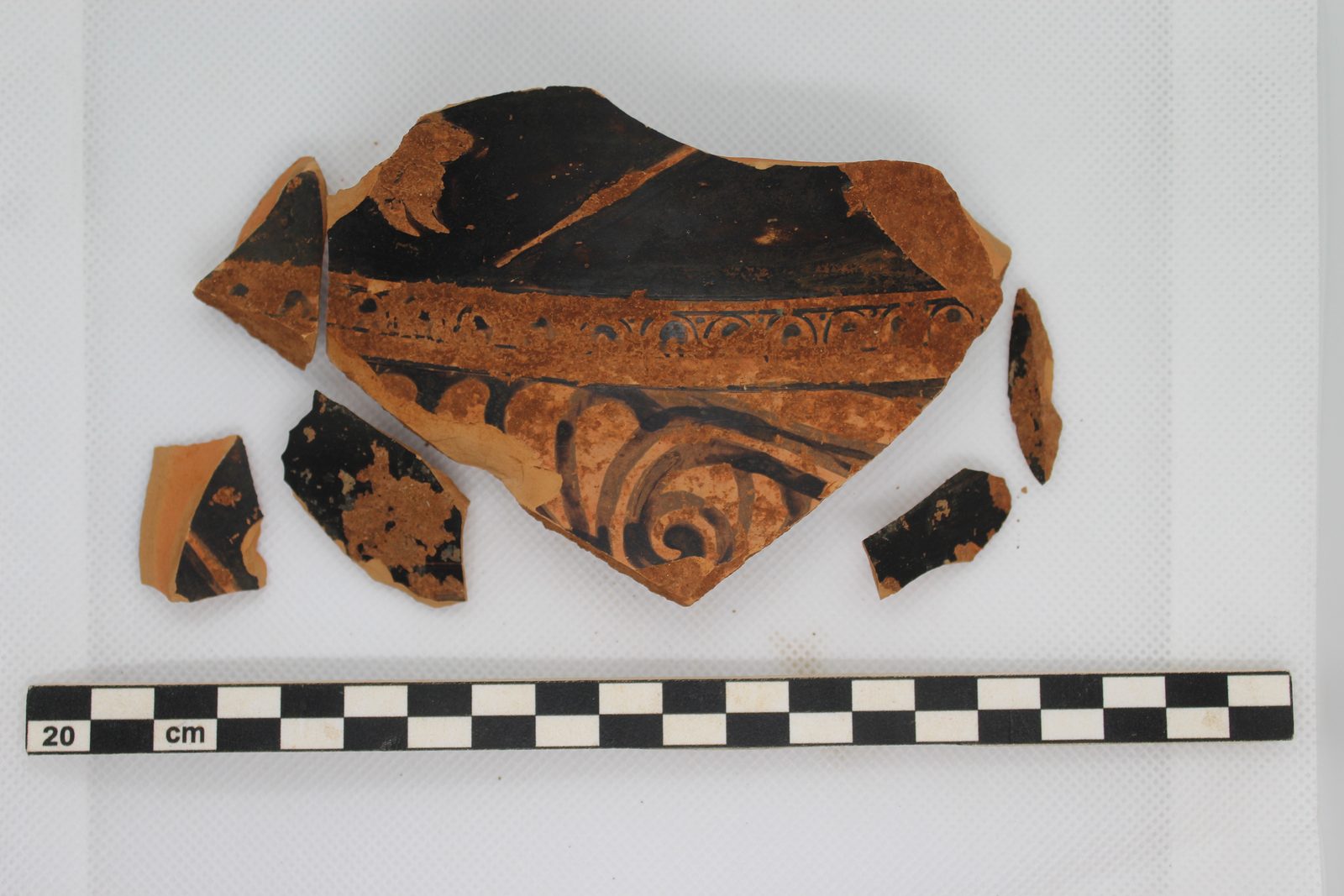
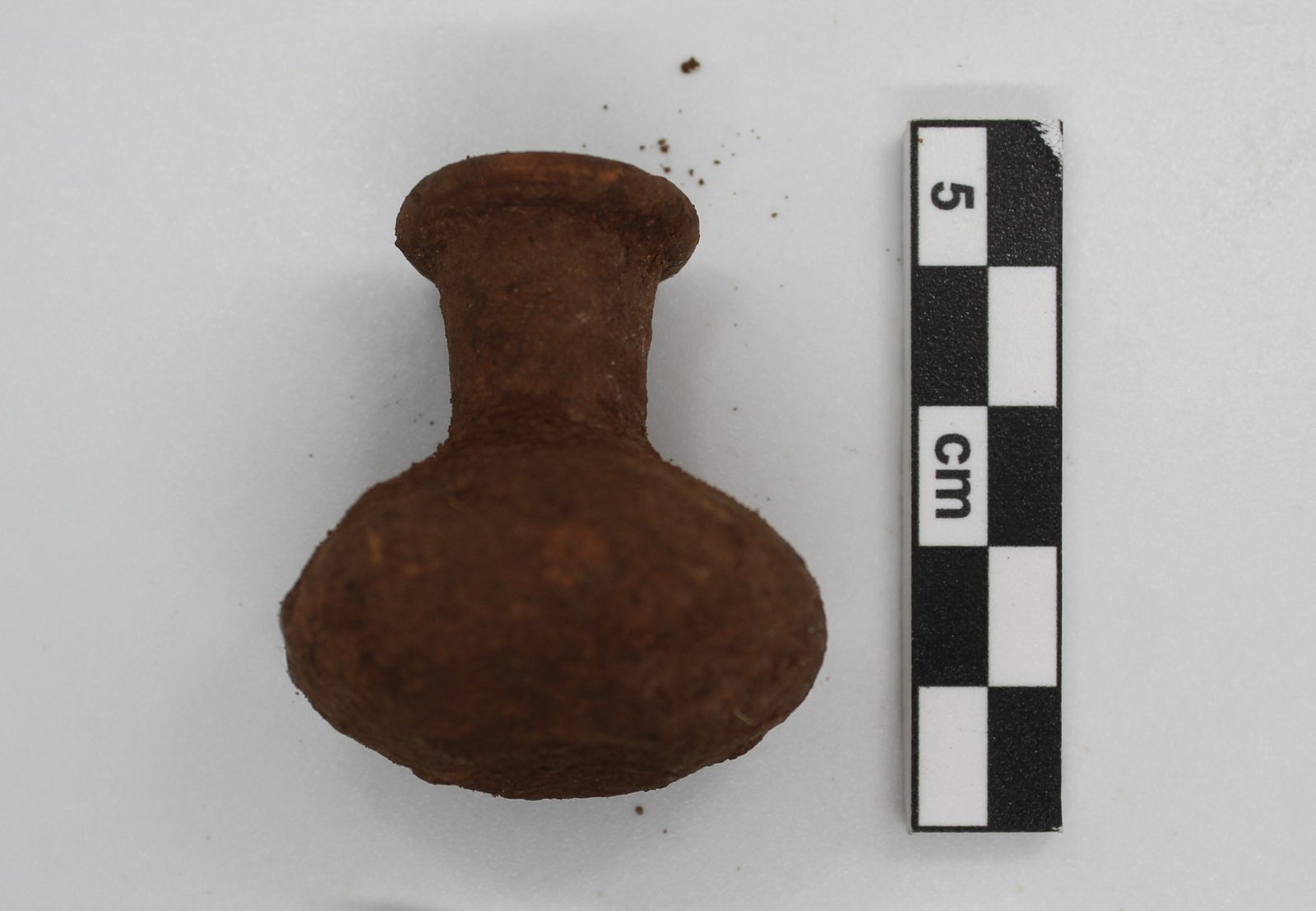
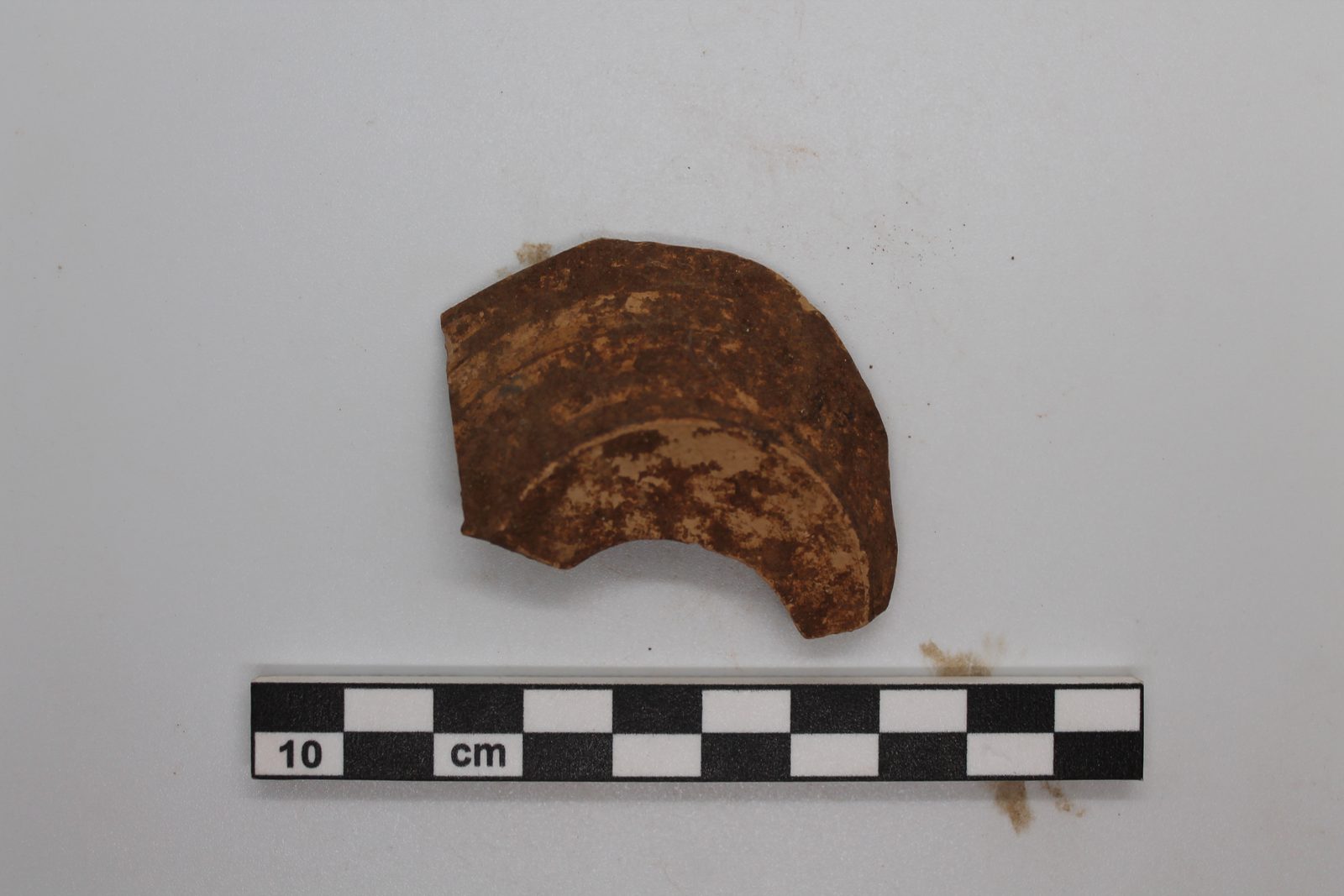
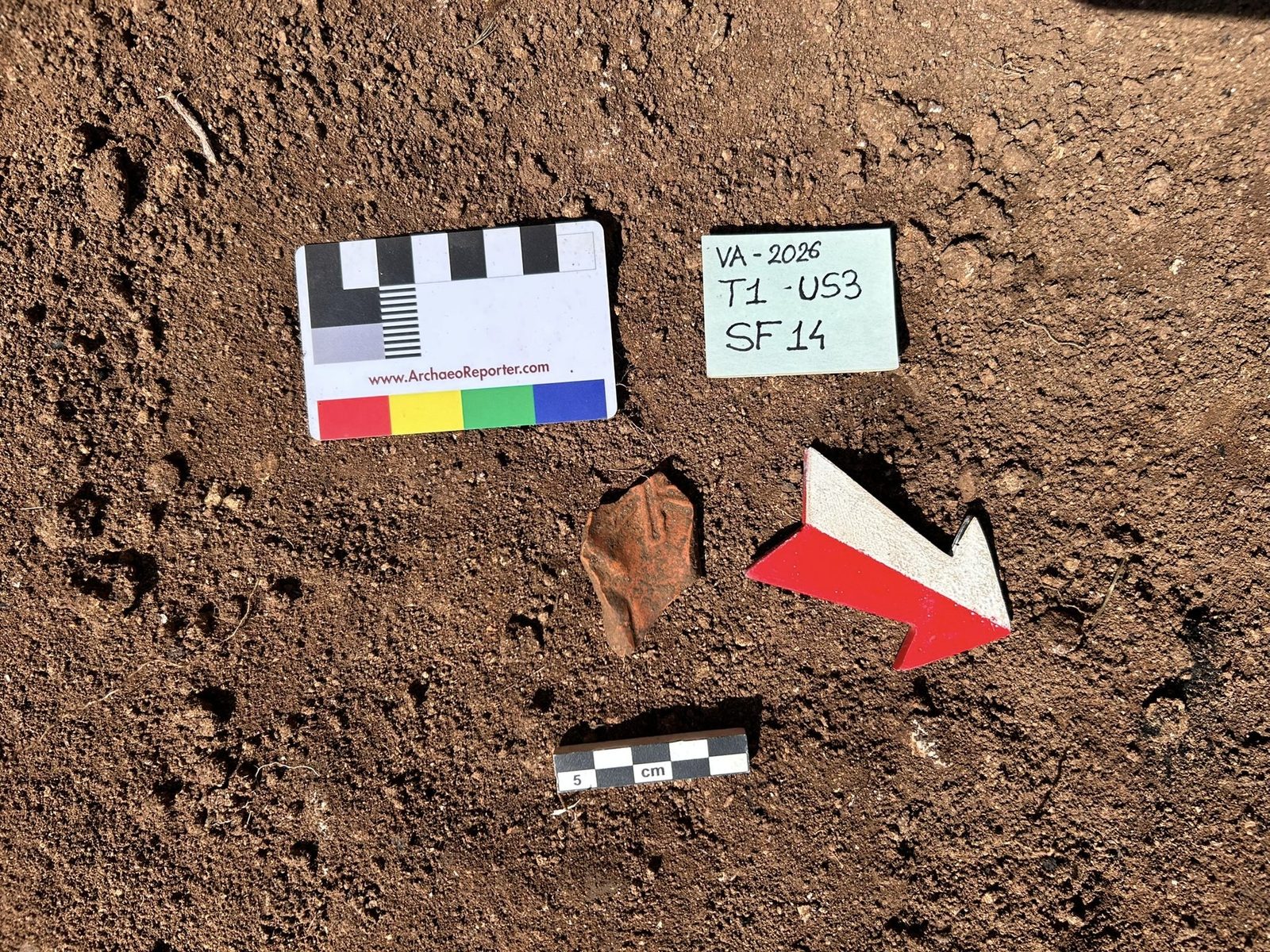
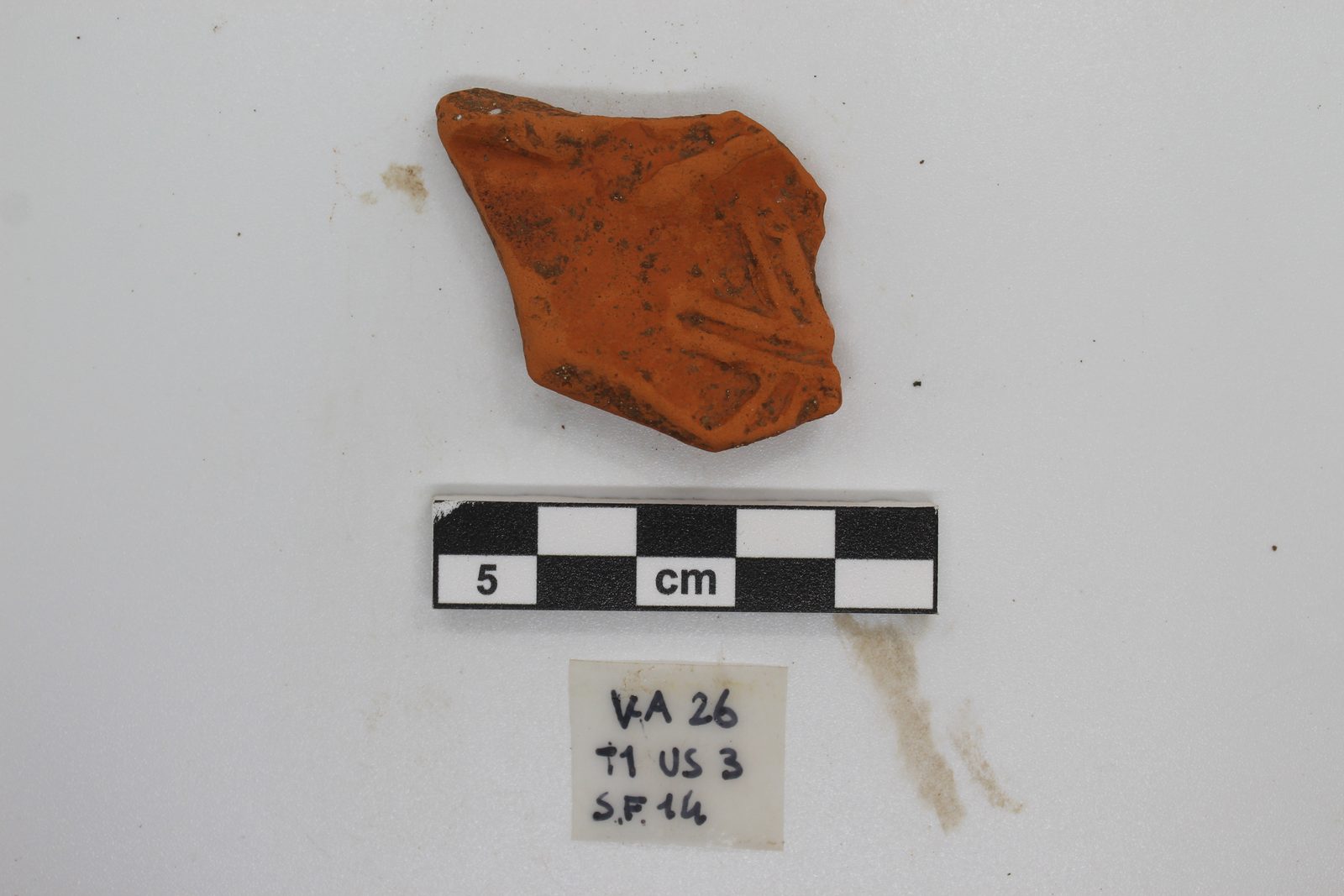
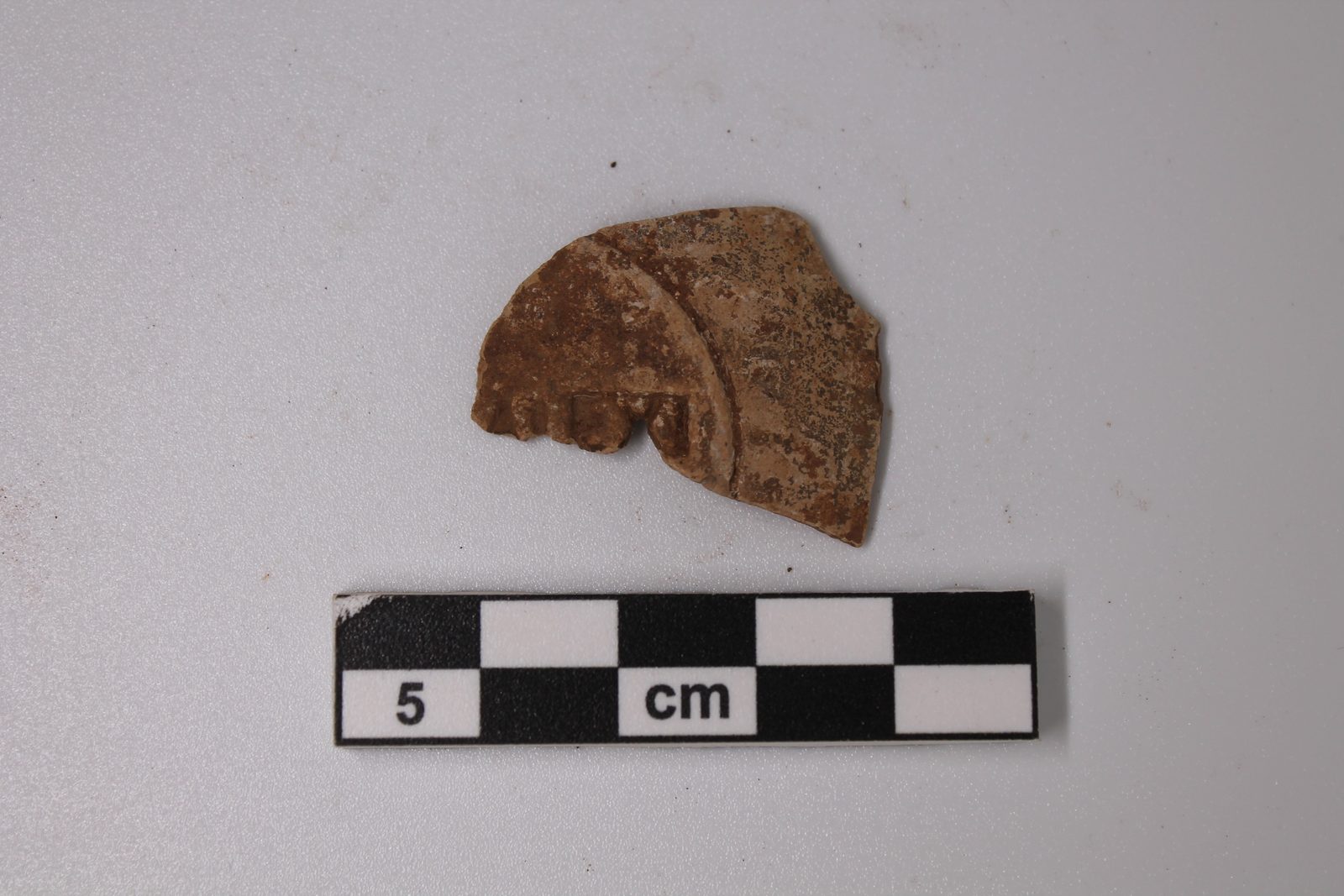
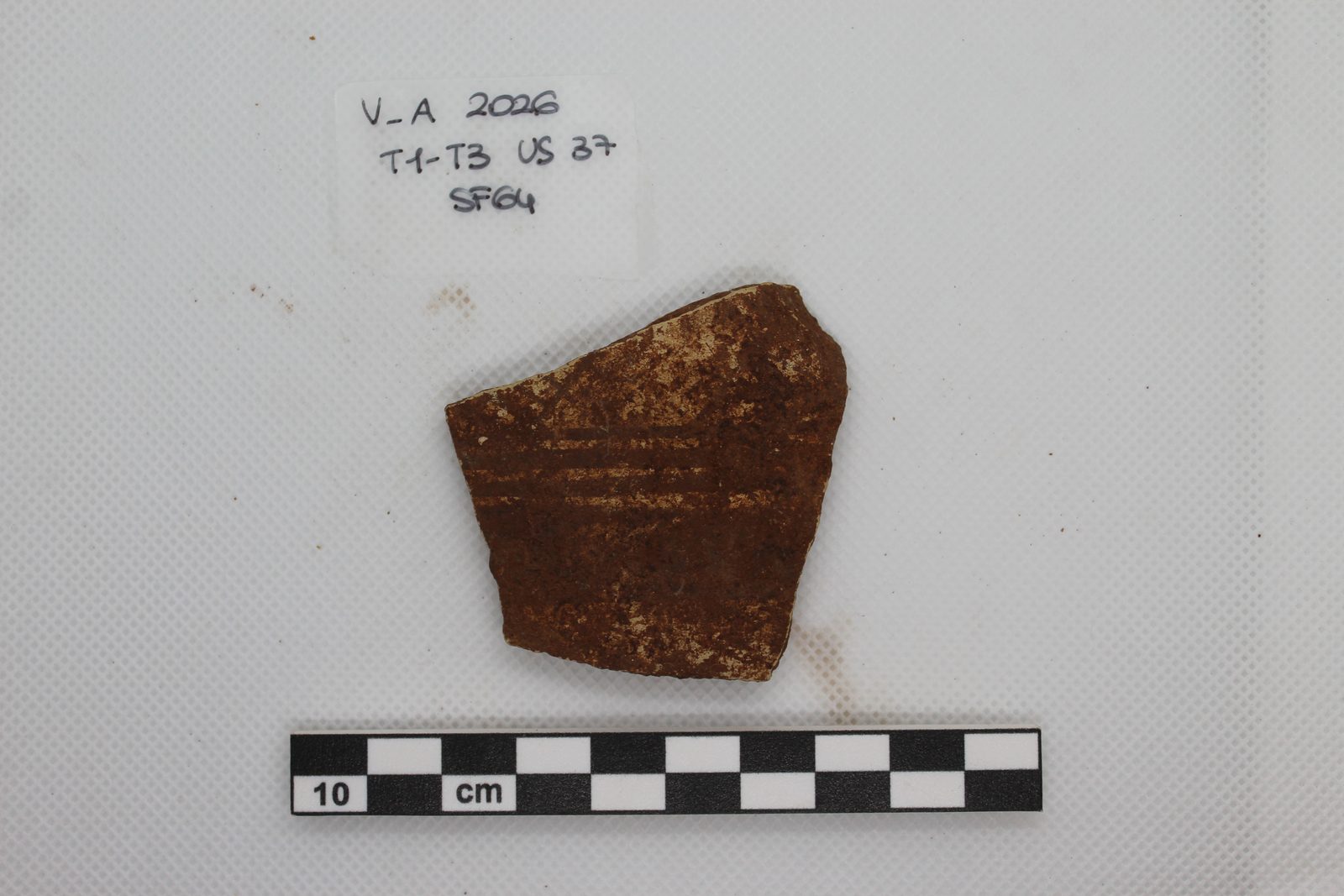
In the southern trench, structures from the last phases of occupation of the area came to light, between the 3rd and 6th century AD: floor levels, collapsed roof tiles and older walls. Glass, terra sigillata and everyday pottery help to reconstruct life there. Disturbed levels also yielded Messapian material, including black-glaze ware and fragments of an Italiote krater of the 4th–3rd century BC.
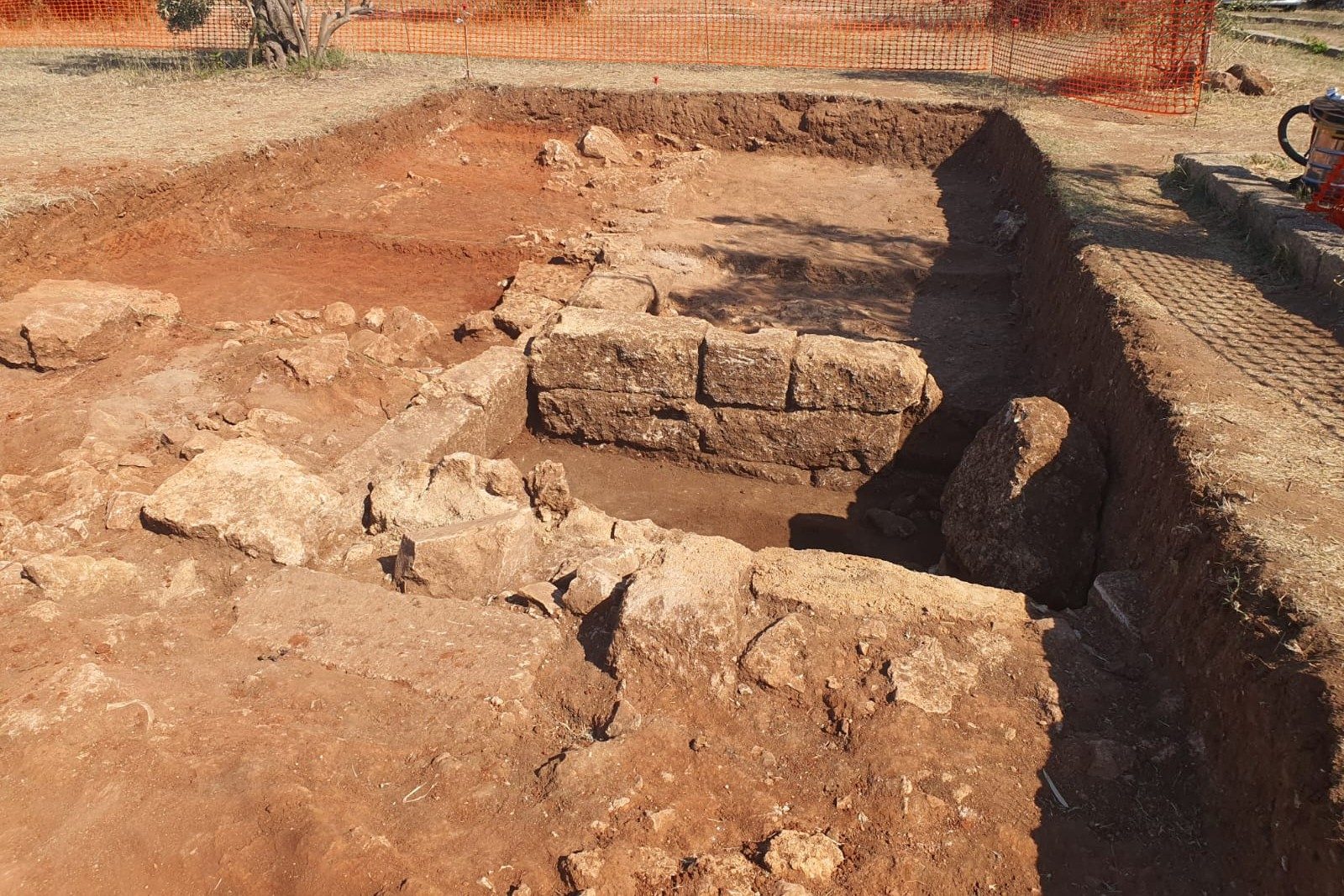
The northern trench
The northern trench, next to the Madonna di Vereto, revealed pits filled with rubble and demolition material, linked to transformations and stone-robbing in the area. A fragment of an oil lamp bearing the Chi-Rho documents Christian activity in Late Antiquity. Further down, a large artificial fill of the Roman imperial period emerged, up to about 90 cm thick.
Although a secondary deposit, the fill yielded material ranging from the Early Iron Age to the Archaic period, including imported fragments of Corinthian tradition from the 7th century BC, as well as numerous Messapian finds. Two large monolithic blocks came to light on the bedrock: they may belong to a monumental arrangement, but their function and date require further excavation.
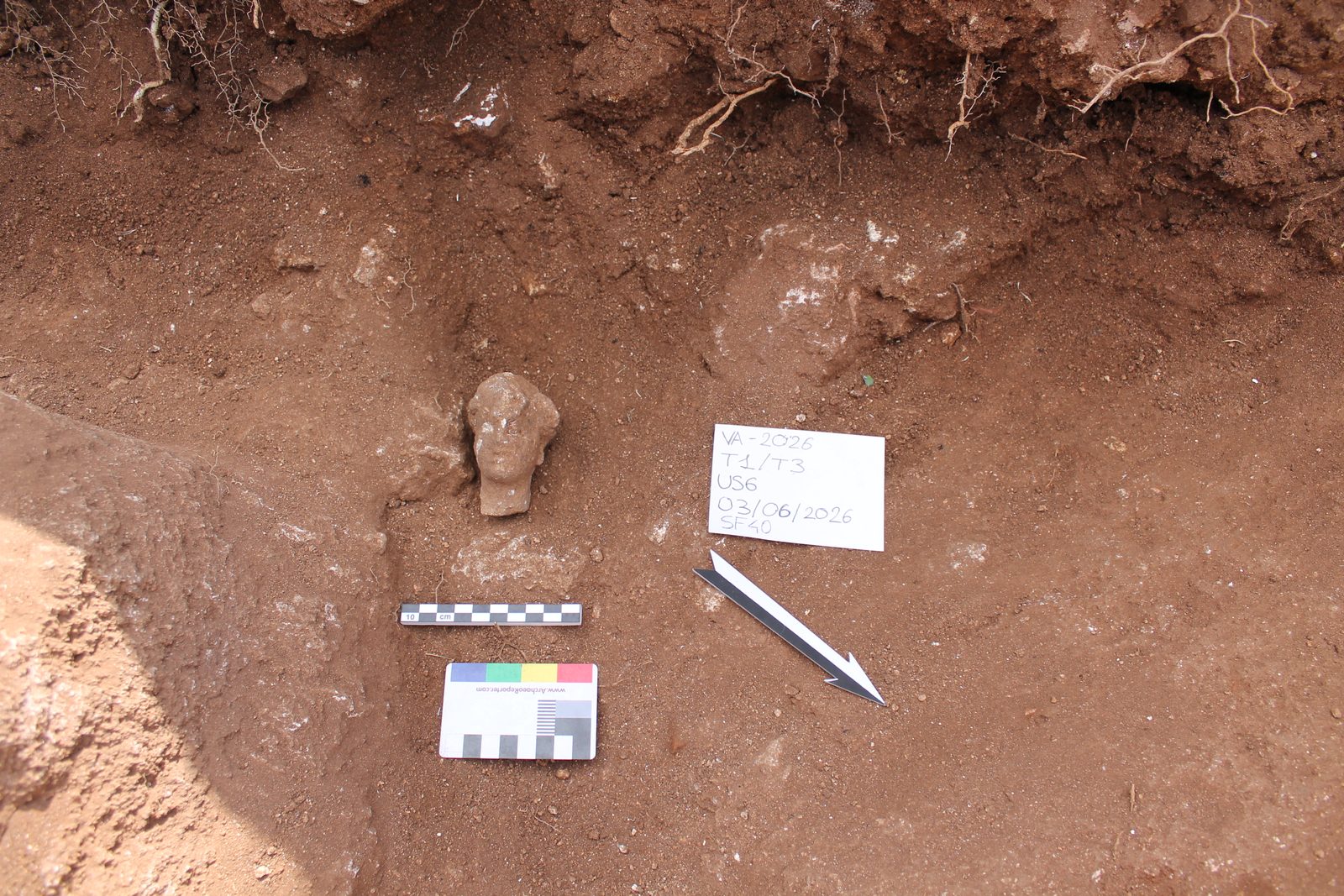
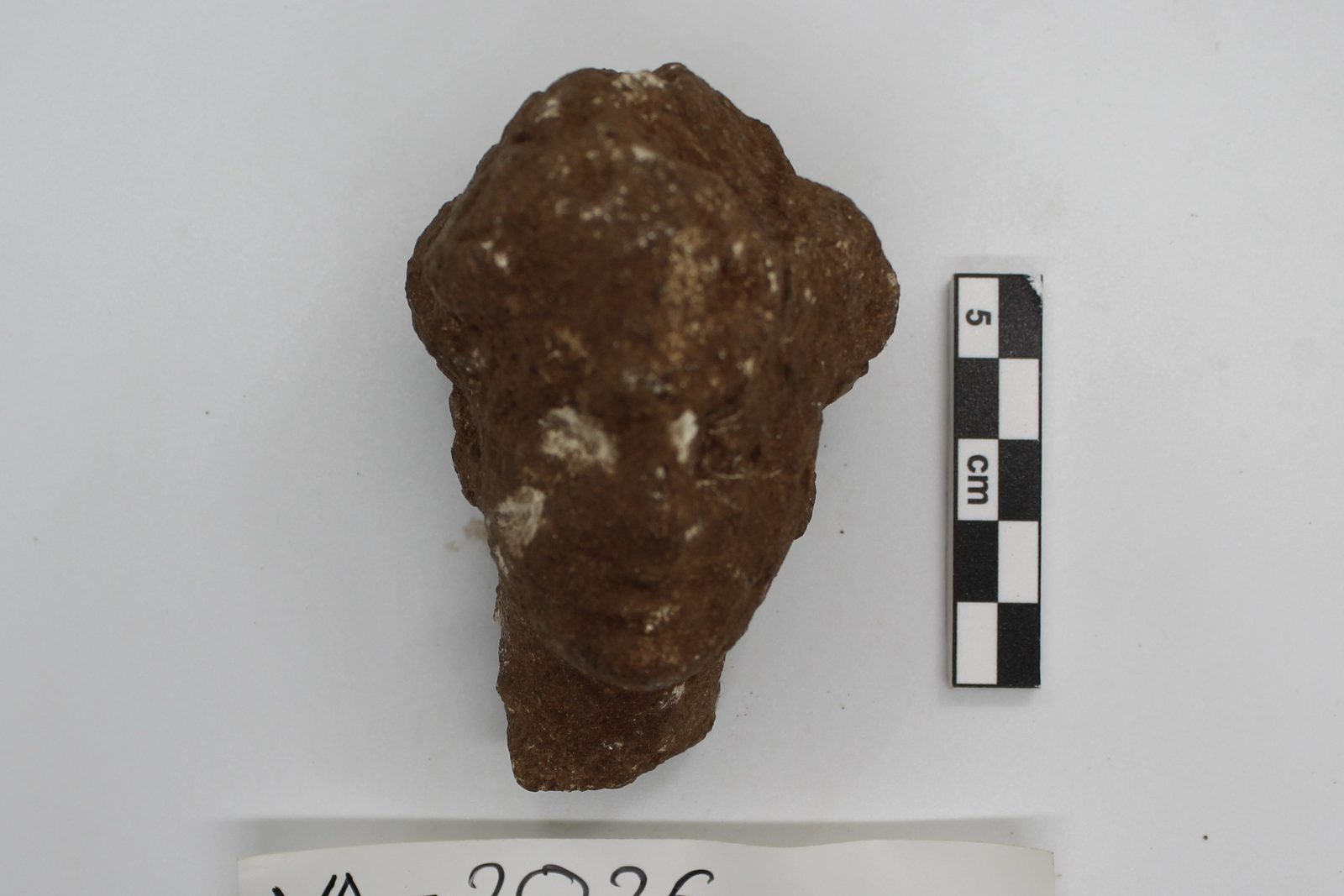
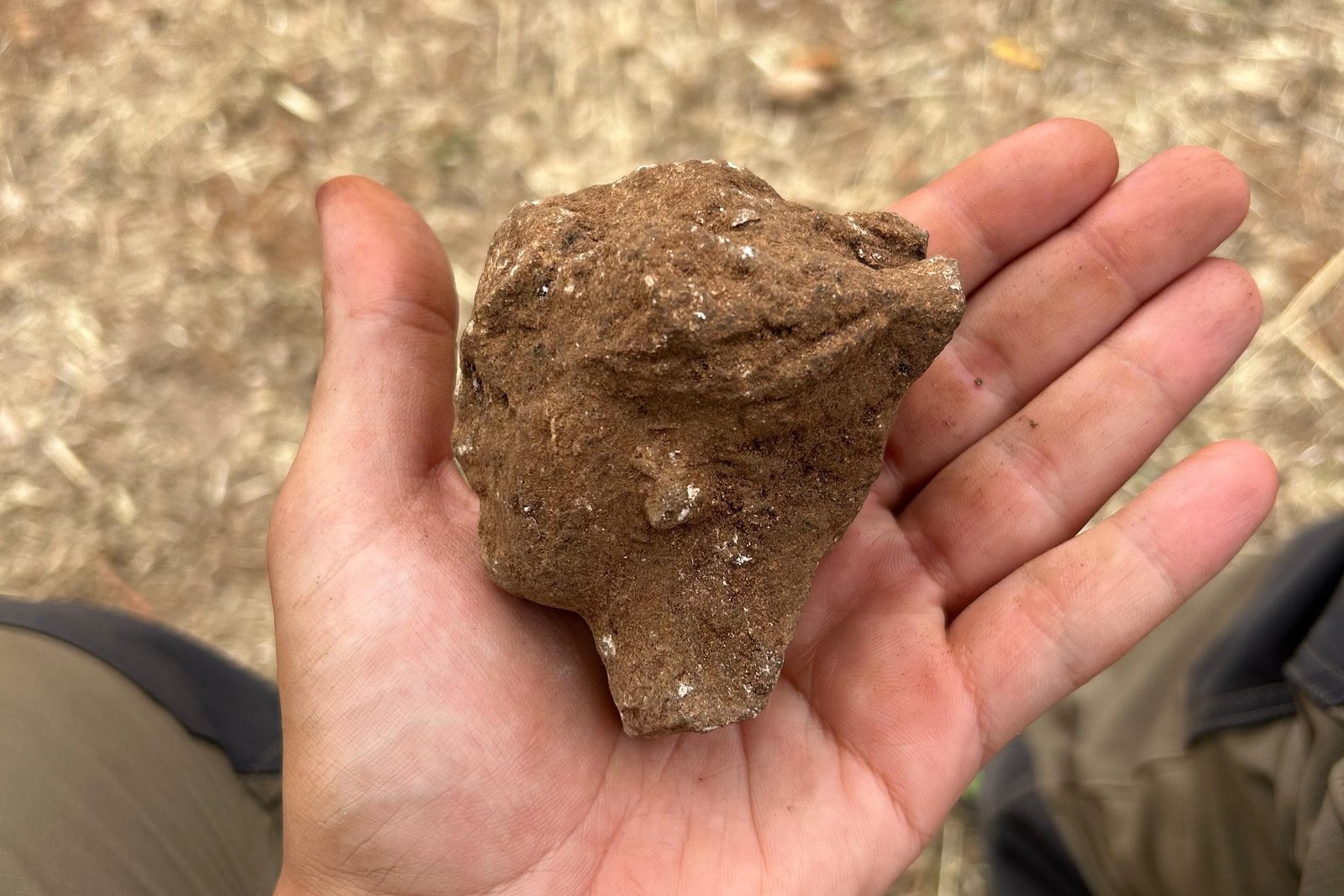
Among the finds, a small Hellenistic female head in limestone stands out, with details of the hairstyle and earrings: a clue to a decorative or monumental context that remains to be clarified. At Grotta Suda the collapse of the front part of the natural cave was recorded; no significant archaeological levels were reached.
An open dig
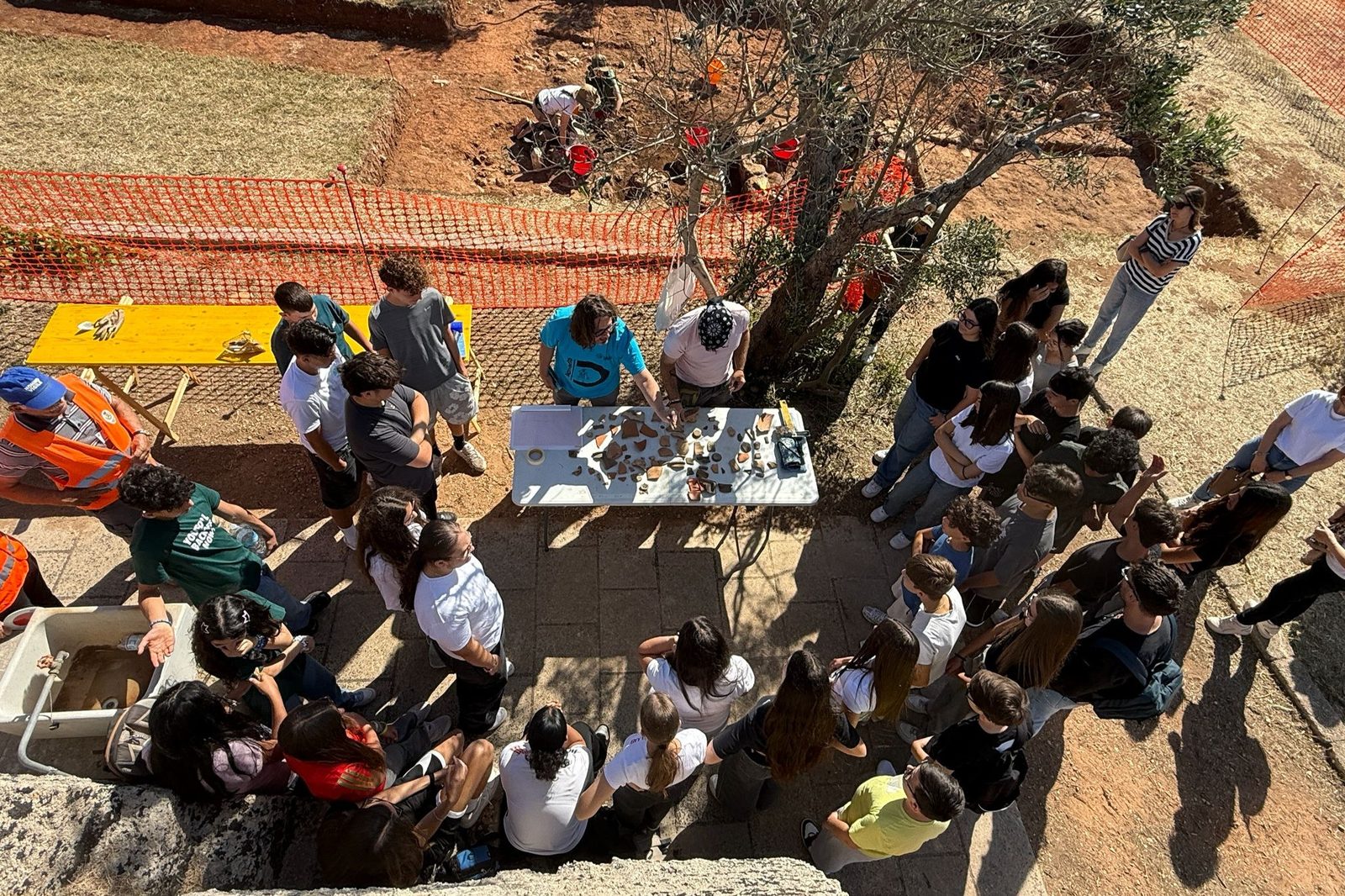
The excavation was conceived as a dig open to the community. Over five weeks more than a thousand visitors followed the research; 230 pupils from local schools, as well as numerous secondary-school students, took part in the educational activities on site.
DiscoVereto is part of Storie Meridiane, a cultural and social regeneration project of the Municipalities of Patù and Morciano di Leuca, funded by the EU — NextGenerationEU and by the Italian Ministry of Culture under the PNRR Culture programme — M1C3I2.1 "Attractiveness of villages".